
NS GEO
Our Geotechnical Services
Comprehensive geotechnical, soil testing, and foundation engineering services designed to support safe and durable infrastructure.
Our Services
Where Soil Data Meets Smart Engineering
STANDARD PENETRATION TEST
Definition
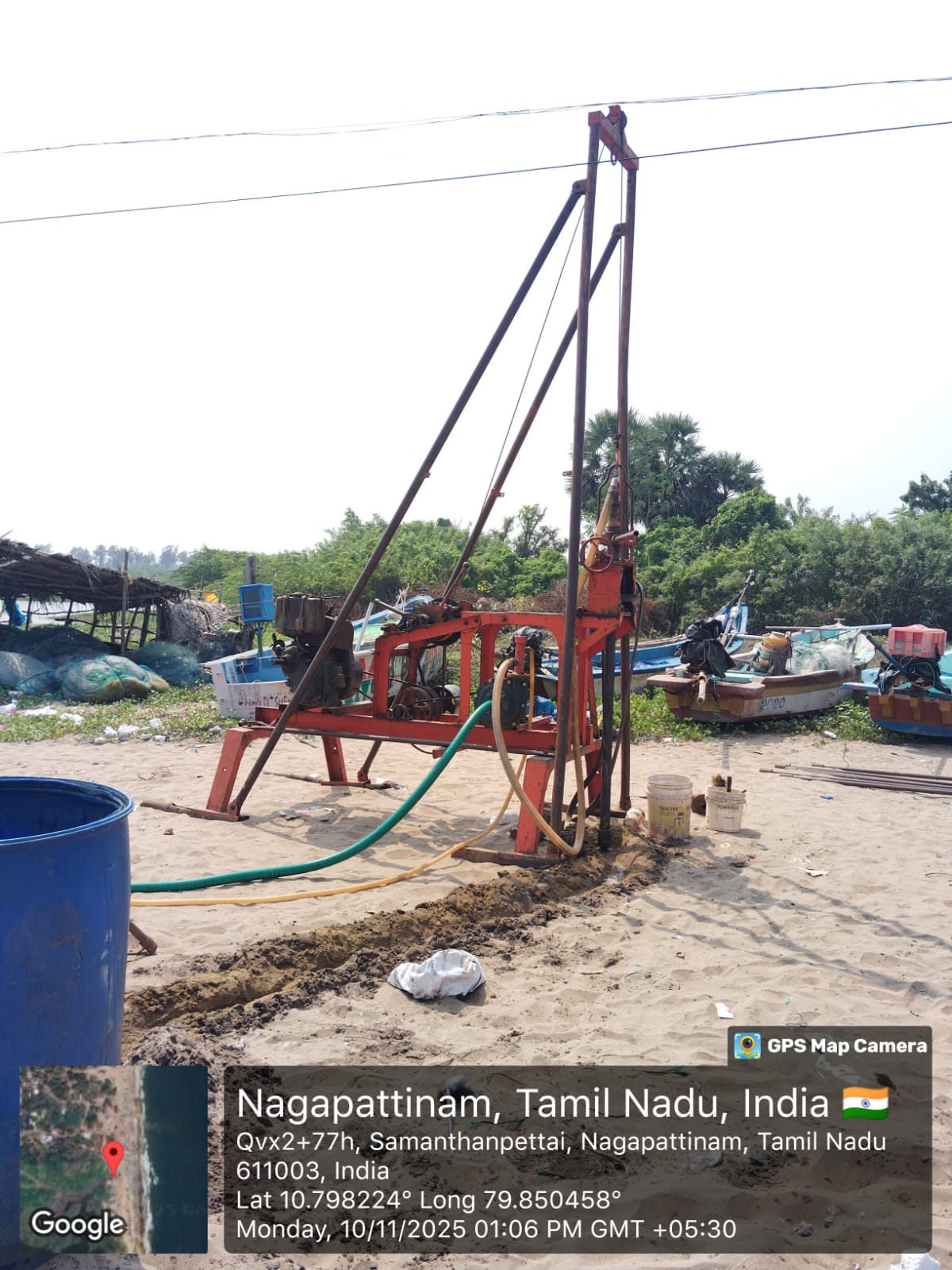
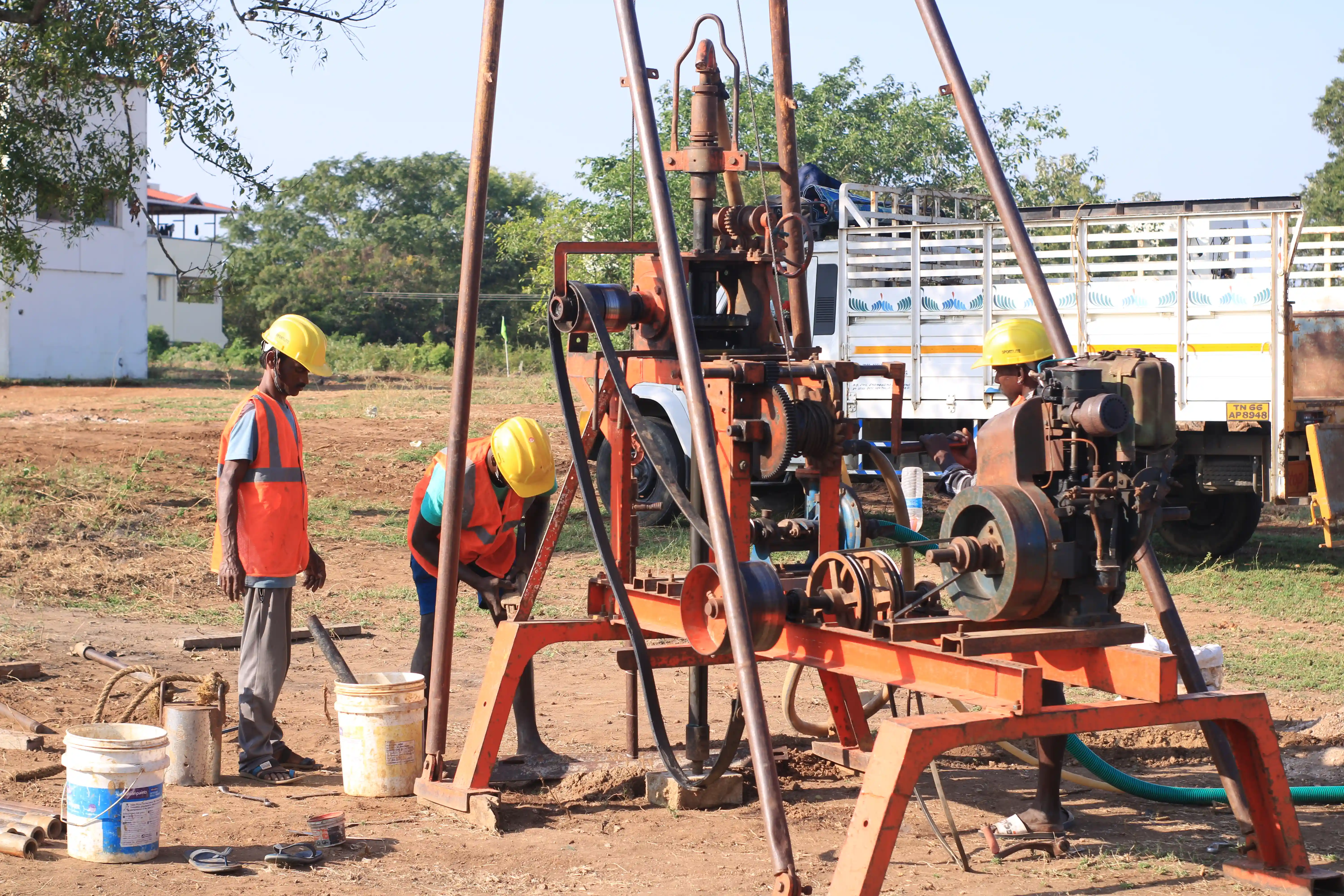
The Standard Penetration Test (SPT) is a widely used in-situ field test that measures the density, strength, and resistance of soil. It provides essential data for assessing soil behaviour and foundation suitability.
Purpose
SPT is conducted to:
- Determine the soil's bearing capacity and compaction
- Evaluate subsurface conditions for safe foundation design
- Provide data for geotechnical analysis and ground improvement decisions
Use in Foundations
SPT results help engineers design foundations by:
- Determining suitable foundation type (shallow or deep)
- Assessing settlement potential and soil stability
- Ensuring structural safety and long-term performance
Why We Need to Do It?
- To prevent structural failures due to weak or unstable soil
- To understand soil layers, strength, and variability
- To guide proper foundation design and ground improvement strategies
Our Approach / What We Do
With over 8+ years of experience, we conduct SPT using standard procedures and advanced equipment. Our team:
- Performs field penetration tests at multiple locations on-site
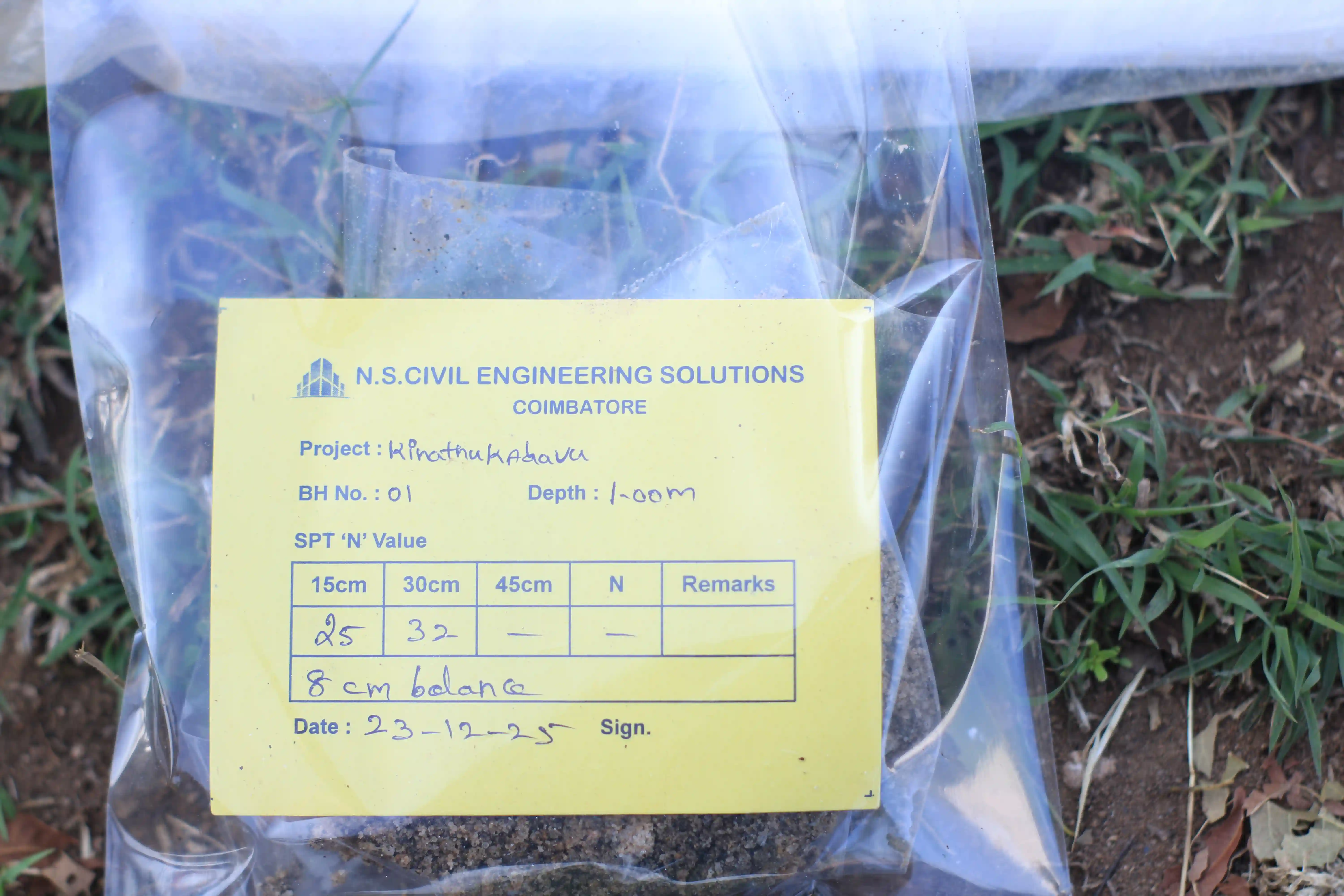
- Collects samples and records blow counts accurately
- Analyses data to provide reliable recommendations for foundations and ground improvement
- Delivers detailed investigation reports with professional engineering guidance
The Thing That Makes Us Different
Our Core Values
At the heart of our geotechnical soil investigation services lies a commitment to quality, safety, and engineering excellence. Our core values guide every project we undertake.
Technical Excellence
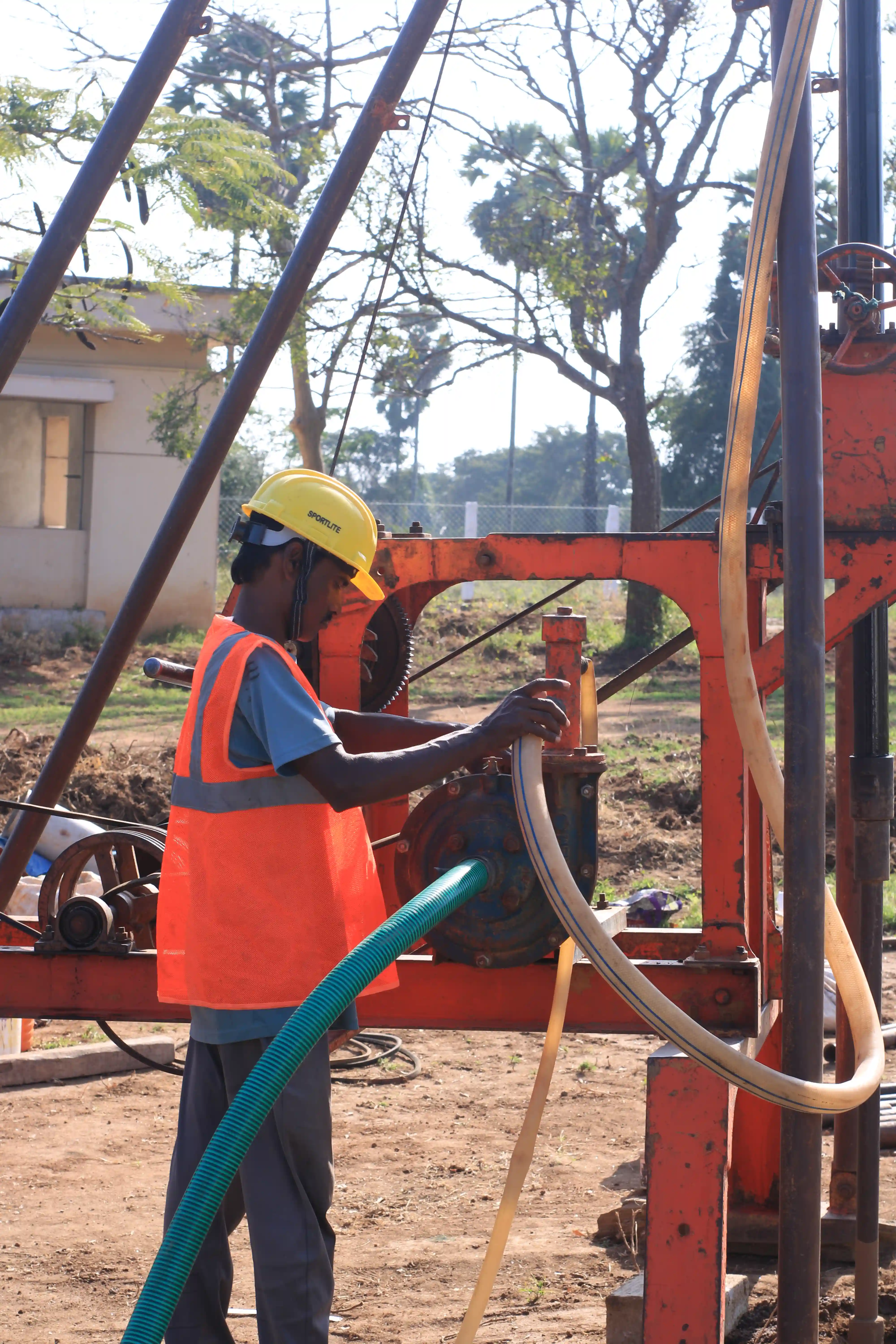
We deliver accurate soil investigation and reliable geotechnical reports based on scientific methods, industry standards, and engineering best practices.
Integrity & Transparency
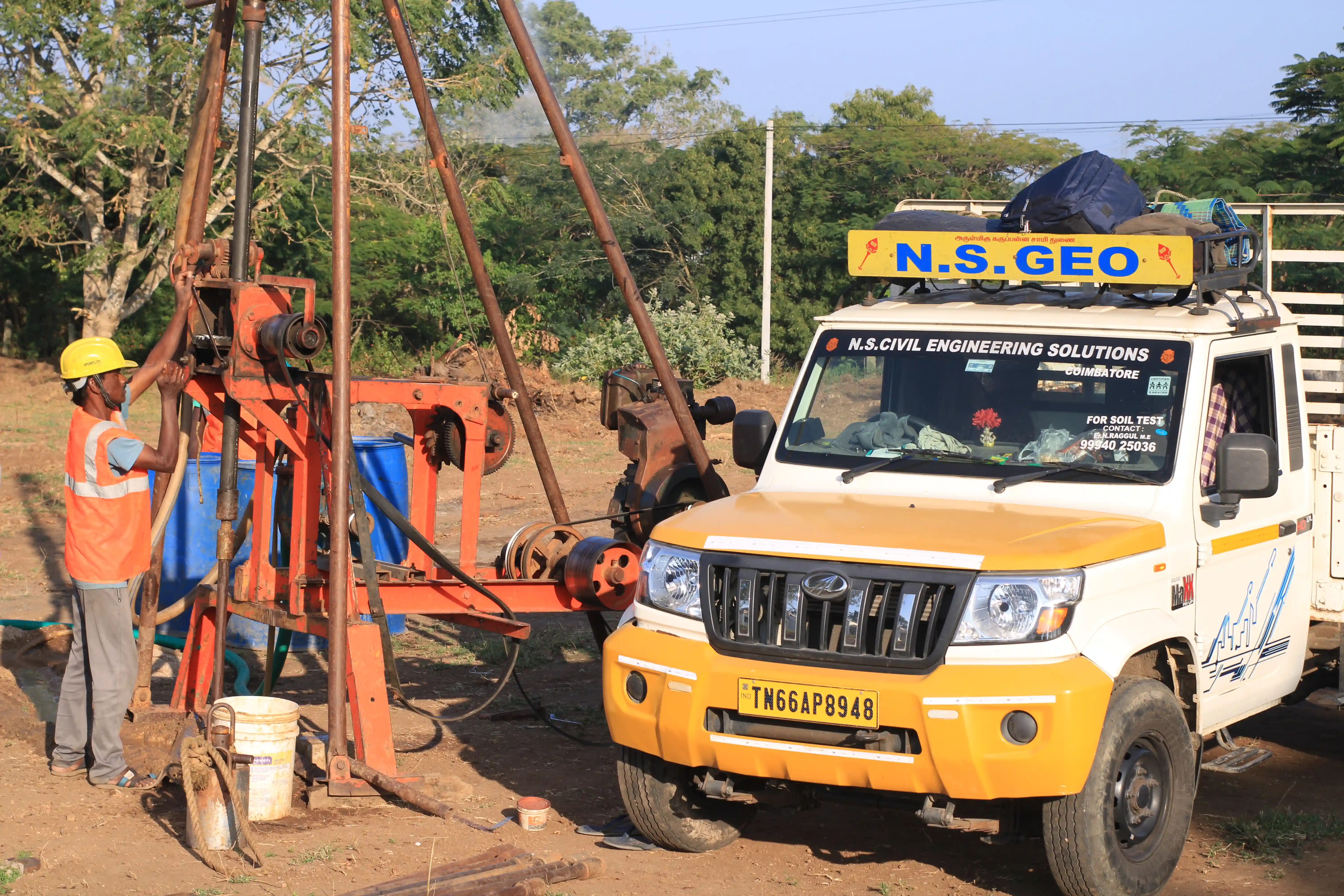
We maintain honesty in testing, reporting, and recommendations. Our data-driven approach ensures clients receive clear and dependable results.
Quality & Precision
From field drilling to laboratory analysis, we follow strict quality control procedures to ensure precision and consistency in every test.
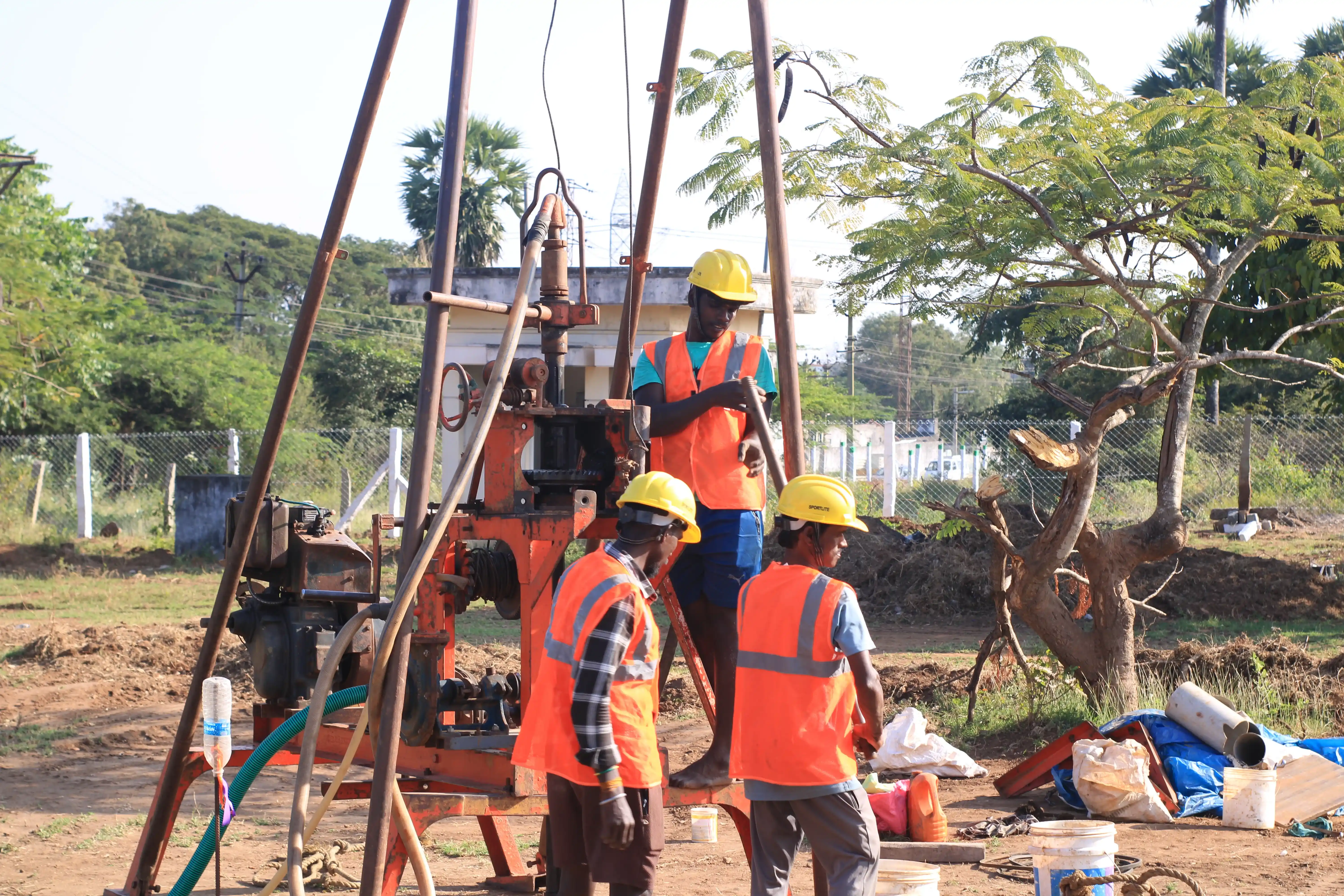
Safety First
We prioritize the safety of our team, clients, and project sites by adhering to all safety protocols during field investigations and laboratory operations.
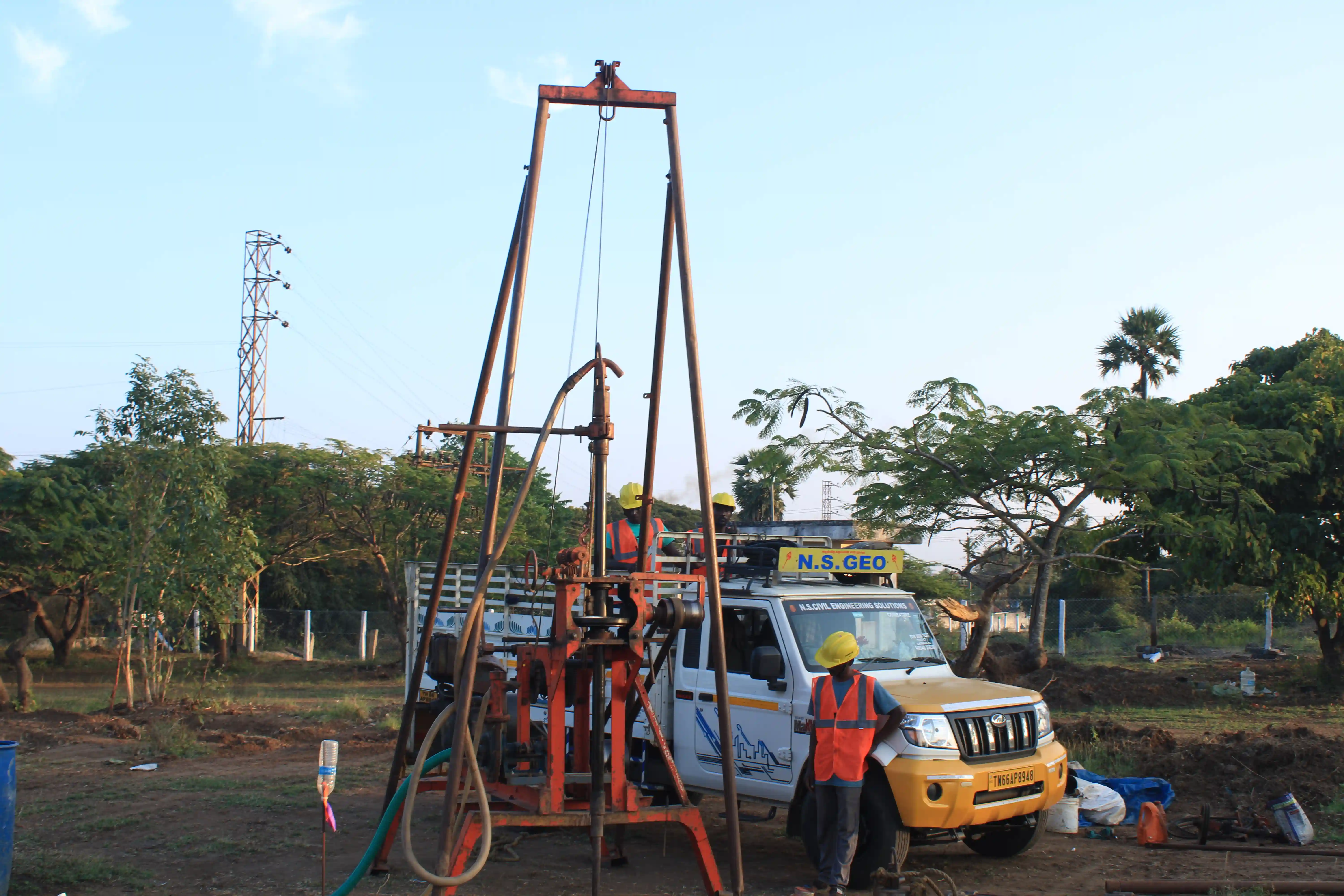
Timely Delivery
We understand the importance of project timelines. Our team ensures prompt field execution and on-time submission of detailed geotechnical reports.
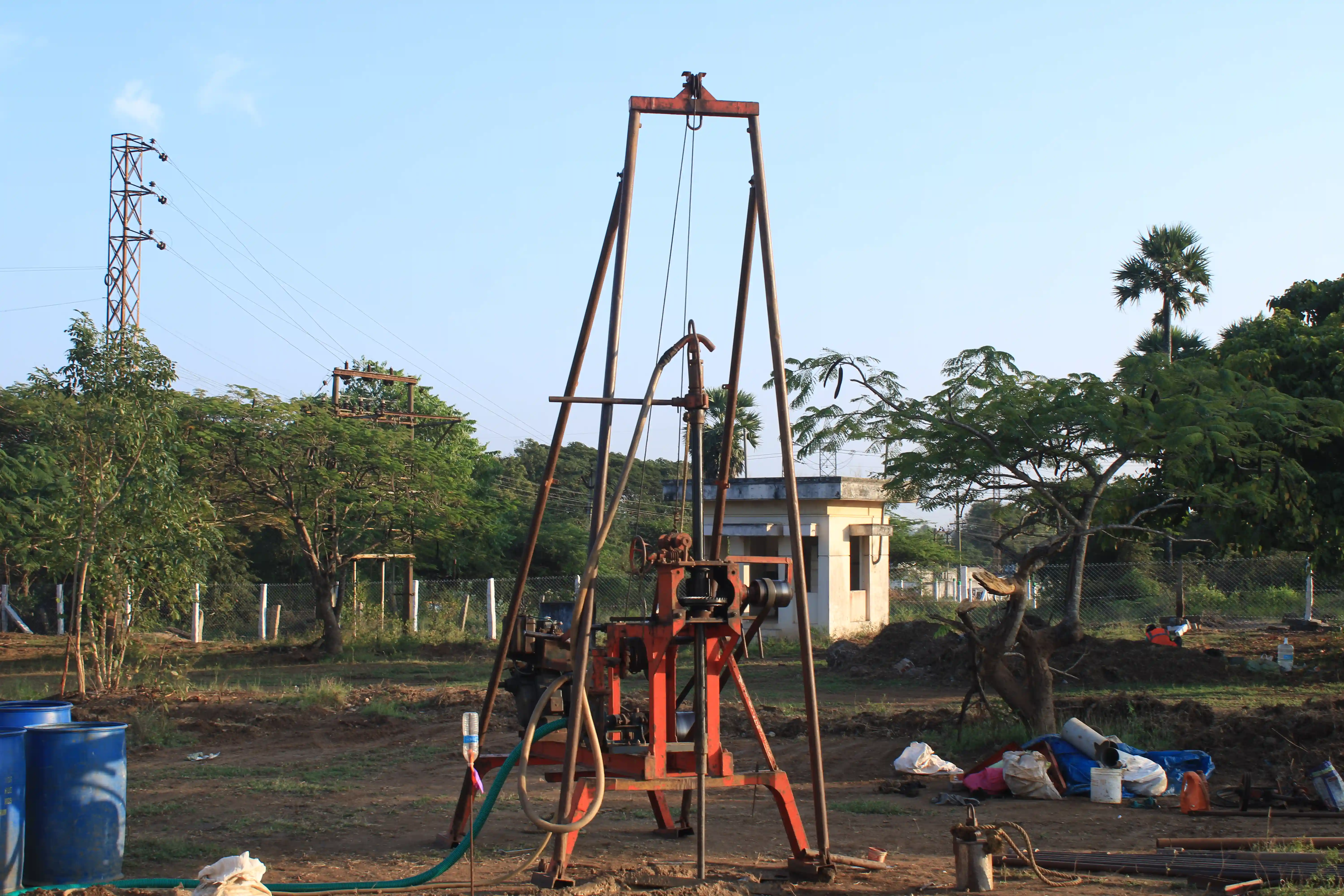
Client-Centric Approach
We work closely with consultants, contractors, architects, and developers to provide customized geotechnical solutions that meet specific project needs.
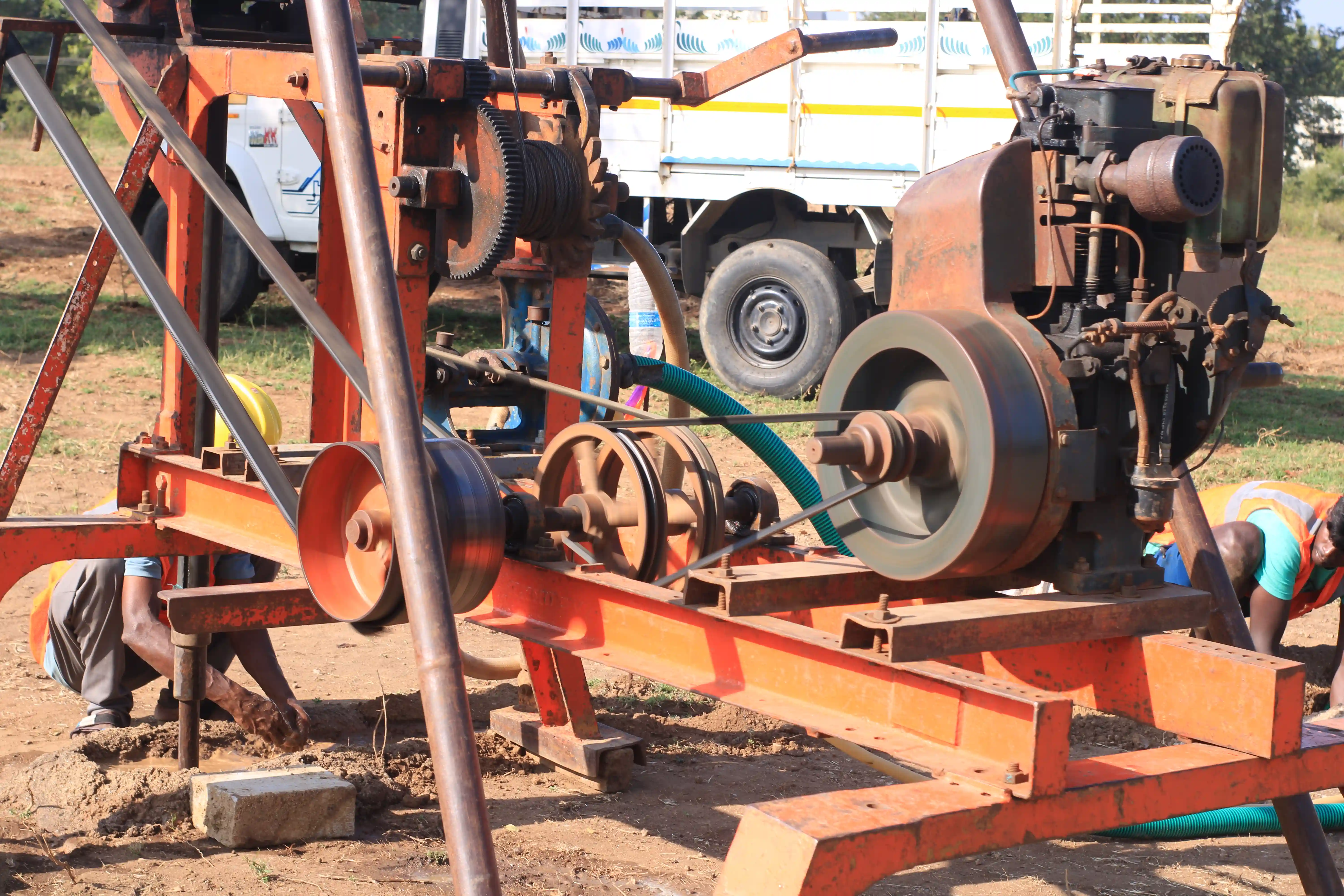
Innovation & Continuous Improvement
We continuously upgrade our equipment, testing methods, and technical knowledge to provide efficient and cost-effective solutions.
Accountability
We stand behind our findings and recommendations, ensuring responsibility and professional reliability in every project.
Need More Help?
Frequently Asked Questions (FAQ)
It is the Study of soil and Ground Conditions to ensure Safe and stable design of foundations and structures.
Soil Testing helps determine soil strength, bearing capacity and suitability for construction, reducing the risk of failure.
SPT is a common field test used to assess soil strength and density below the ground surface.
SBC is the maximum load the soil can safely support without settlement or failure.
Yes, we recommend suitable foundation types based on soil conditions and project requirements.
Yes, we provide geotechnical solutions for all types of construction projects.
Yes. We provide detailed investigation reports that include soil and rock analysis, test results, site recommendations, and design guidance for foundations and ground improvement.
We offer complete geotechnical support including soil testing, SPT, numerical analysis, ground improvement, and slope stabilization with experienced engineers, advanced technology, and reliable reporting for safe and cost-effective construction.
Most soils can be improved, but the method depends on the soil type, project requirements, and site conditions. Our experts recommend the most suitable technique after investigation.
The duration depends on the type of tests and site conditions. Basic field and laboratory tests may take a few days, while detailed geotechnical investigations for large projects may take several weeks.